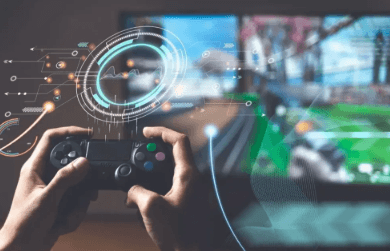
The future of gaming systems centers on convergent tech—compute efficiency, sensor fusion, and cloud-enabled scalability. Cloud architectures, cross‑platform ecosystems, and AI-assisted rendering will reshape access and latency management. Immersive audio, tactile feedback, and data-driven optimization will push perceptual fidelity while edge computing mitigates delays. Measurable realism and durable partnerships anchor progress, yet software standards and sustainable models will determine long-term viability. The path ahead remains nuanced, inviting ongoing assessment as ecosystems evolve.
What’s Changing in Gaming Technology Today
Technological progress in gaming today is characterized by rapid convergence of compute efficiency, sensor fusion, and cloud-enabled scalability, which together broaden perceptual fidelity and accessibility.
The landscape emphasizes immersive audio and haptic feedback, enabling nuanced spatial awareness and tactile precision.
Data-driven optimization prioritizes latency, energy efficiency, and cross-device fluidity, fostering autonomous content adaptation and user-empowered experimentation within expansive, interconnected ecosystems.
Freedom-oriented design underpins scalable, immersive play.
How Cloud, Cross‑Platform, and AI Redefine Access
Cloud-enabled architectures, cross-platform ecosystems, and AI-driven optimizations are reshaping how players access and engage with games.
Analyzing cloud native experiences reveals scalable, low-friction libraries, while cross platform interoperability supports seamless ownership across devices.
AI assisted rendering enhances visuals with efficiency; however, subscription fatigue and digital rights management pose evolving constraints, balanced by edge computing latency reductions and adaptive streaming.
Designing for Realism, Accessibility, and Longevity
The analysis tracks Realism concessions and Accessibility milestones as measurable indicators, guiding iterative development.
A forward‑looking, data‑driven lens reveals tradeoffs, timelines, and resilience needs, aligning creative freedom with sustainable, user‑centric progression across evolving gaming ecosystems.
Choosing Your Path: Platforms, Subscriptions, and Ecosystems
The analysis emphasizes platform diversity as a driver of choice, competition, and resilience, while assessing ecosystem sustainability through open standards, cross‑play, and durable partnerships.
A data-driven lens reveals freedom emerges from varied access, predictable updates, and transparent monetization.
See also: The Future of Global Wireless Systems
Frequently Asked Questions
How Will Indie Developers Survive in a Saturated Market?
Indie developers survive by leveraging diversified indie funding, prioritizing niche markets, and embracing platform exclusivity strategically; data suggests cross-platform releases with targeted marketing outperform singular bets, while sustainable revenue models and community-driven analytics guide long-term resilience in a crowded landscape.
Will Quantum Computing Impact Game Encryption and Piracy?
“A typesetting antique sits beside a holographic console,” the analysis begins: quantum encryption could deter piracy while prompting layered piracy mitigation and indie funding shifts; discoverability, digital ownership, resale ecosystems, and accessibility gaming shape controller evolution, brain computer interfaces, haptic trends.
Can Haptic Feedback Replace Traditional Controllers Someday?
Haptic evolution could gradually supplant traditional inputs, though a complete replacement seems unlikely. Analyses indicate a hybrid controller paradigm may emerge, leveraging tactile feedback while preserving familiar interfaces. Data suggests user autonomy favors adaptable, multi-modal control architectures.
What Happens to Resale Value in Digital Ecosystems?
Across digital ecosystems, resale value trends hinge on ownership reliability and streamable access, with indie developers contending in a saturated market amid piracy risks and game encryption challenges, while mainstream gaming embraces haptic feedback and brain-computer interfaces.
Will Brain-Computer Interfaces Become Mainstream for Gaming?
Brain computer interfaces are likely to become mainstream gaming, driven by data-driven gains in immersion and efficiency, though adoption hinges on affordability and safety; analytics suggest rapid growth alongside haptic feedback, traditional controllers, and evolving platform standards.
Conclusion
The trajectory of gaming systems hinges on converged compute, cloud-enabled scalability, and AI-assisted rendering, delivering perceptual realism with sustainable efficiency. A compelling statistic to hook readers: by 2026, cloud gaming is projected to account for over 25% of global gaming traffic, underscoring the shift toward edge-enabled, latency-tuned experiences. This data-driven view emphasizes cross‑platform access, adaptive streaming, and durable partnerships as core strategies for scalable, user‑centric progress that balances creative ambition with longevity.