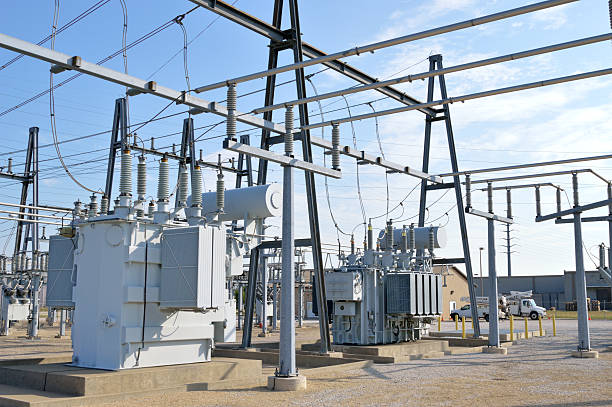
Electrical power systems rely heavily on stability, fault control, and safe energy distribution. One of the most important components that supports these objectives is the transformer. Among various configurations, the grounding delta transformer design plays a critical role in improving system reliability, especially in industrial plants, utility grids, and sensitive power networks.
This configuration is widely used because it helps manage fault conditions, stabilize voltage, and improve overall system grounding. By combining delta winding advantages with grounding techniques, engineers can create a safer and more resilient electrical infrastructure.
Understanding Grounding Delta Transformer Design
A grounding delta transformer is a specialized transformer configuration where one side of the transformer is connected in a delta arrangement, and a grounding point is introduced to improve system stability and fault management.
What Is a Delta Connection?
In a delta connection:
- The transformer windings are connected in a closed loop
- Each phase is connected end-to-end forming a triangle
- There is no neutral point naturally available
This setup is commonly used in industrial and distribution systems due to its efficiency and robustness.
Why Grounding Is Needed
Grounding provides a reference point for voltage stability and safety. It helps:
- Protect equipment from voltage surges
- Provide a safe path for fault currents
- Stabilize system voltage during disturbances
When combined with a delta system, grounding improves both safety and performance.
Purpose of Grounding in Delta Transformer Systems
Delta systems are strong and efficient, but they lack a natural neutral point. Grounding solves this limitation.
Creating a Stable Reference Point
Grounding establishes a fixed voltage reference that helps:
- Maintain consistent phase-to-ground voltage
- Reduce electrical noise
- Improve system predictability
Enhancing Fault Detection
Grounding allows systems to:
- Detect single-line-to-ground faults
- Prevent fault escalation
- Trigger protective devices quickly
How Grounding Delta Transformer Works
The design integrates delta-connected windings with grounding elements such as zig-zag transformers or grounding resistors.
Basic Working Principle
- Power flows through delta-connected windings
- System remains balanced under normal operation
- During faults, grounding provides a path for fault current
- Protection systems detect and isolate the issue
Grounding Methods Used
Common grounding techniques include:
- Solid grounding
- Resistance grounding
- Reactance grounding
- Zig-zag transformer grounding
Each method is selected based on system requirements and fault tolerance needs.
Key Benefits of Grounding Delta Transformer Design
This configuration is widely used because it improves both safety and reliability.
Improved System Stability
Grounding helps maintain:
- Balanced voltage levels
- Reduced fluctuations during load changes
- Consistent power quality
Enhanced Fault Handling
The system can:
- Detect ground faults more effectively
- Limit fault current magnitude
- Prevent widespread outages
Reduced Equipment Stress
By controlling fault currents, the system:
- Protects transformers and generators
- Extends equipment lifespan
- Reduces maintenance requirements
Role in Industrial Power Systems
Industrial environments require high reliability and minimal downtime.
Supporting Heavy Machinery
Grounding delta transformers are used to power:
- Motors and drives
- Production equipment
- Industrial automation systems
Preventing Production Interruptions
They help avoid:
- Unexpected shutdowns
- Equipment damage due to faults
- Voltage instability in sensitive processes
Application in Utility Distribution Networks
Utility grids rely on grounding delta systems for safe and efficient power delivery.
Improving Grid Protection
They provide:
- Better fault current control
- Enhanced relay coordination
- Improved system selectivity
Supporting Mixed Load Systems
Utilities serve a combination of:
- Residential loads
- Commercial loads
- Industrial loads
Grounding delta transformers help balance these varying demands effectively.
Ground Fault Management Capability
One of the most important functions of this design is handling ground faults.
How Ground Faults Occur
Ground faults happen when:
- A conductor touches earth
- Insulation fails
- Equipment becomes damaged
How the Transformer Responds
The grounding system:
- Provides a controlled path for fault current
- Limits damage to equipment
- Allows protective devices to isolate faults quickly
Voltage Stabilization and Power Quality
Voltage stability is critical for sensitive electrical systems.
Reducing Voltage Fluctuations
Grounding delta transformers help:
- Maintain consistent phase voltages
- Reduce imbalance during load changes
- Improve overall power quality
Minimizing Electrical Noise
Grounding also reduces:
- Harmonic distortion
- Electrical interference
- System instability
Safety Advantages of Grounding Delta Design
Safety is one of the strongest reasons for using this configuration.
Protection Against Electric Shock
Grounding ensures:
- Fault currents are safely redirected
- Equipment enclosures remain at safe potential
- Reduced risk of human injury
Fire Risk Reduction
By controlling fault currents, the system prevents:
- Overheating of conductors
- Electrical arcing
- Equipment fires
Types of Grounding Used in Delta Transformers
Different grounding methods are used depending on system needs.
Solid Grounding
- Direct connection to earth
- Best for fast fault clearing
- Higher fault current levels
Resistance Grounding
- Limits fault current using resistors
- Reduces equipment stress
- Common in industrial systems
Reactance Grounding
- Uses inductive reactance
- Controls fault current magnitude
- Improves system protection coordination
Zig-Zag Grounding
- Provides artificial neutral point
- Balances unbalanced loads
- Effective in distribution systems
Maintenance and Reliability Factors
Proper maintenance ensures long-term performance and reliability.
Routine Inspections
Technicians check:
- Winding condition
- Grounding connections
- Insulation health
Thermal Monitoring
Heat levels are monitored to:
- Prevent overheating
- Ensure safe operation
- Maintain efficiency
Preventive Maintenance
Includes:
- Cleaning electrical components
- Tightening connections
- Testing protective systems
Integration with Modern Smart Grids
Grounding delta transformers are increasingly part of smart grid systems.
Real-Time Monitoring
Modern systems allow:
- Continuous fault detection
- Load monitoring
- Remote diagnostics
Automated Protection Systems
Smart grids enable:
- Faster fault isolation
- Predictive maintenance
- Improved system coordination
Challenges in Grounding Delta Transformer Design
Despite its benefits, there are design considerations.
Complexity in Design
- Requires precise engineering
- Must match system requirements
- Needs careful grounding selection
Cost Considerations
- Additional grounding equipment increases cost
- Maintenance requires skilled technicians
System Coordination
Must be properly coordinated with:
- Protective relays
- Circuit breakers
- Grid infrastructure
Future Trends in Grounding Transformer Technology
Technology continues to improve grounding systems for better reliability.
Smart Fault Detection
Future systems will include:
- AI-based fault prediction
- Automated response systems
- Enhanced monitoring tools
Improved Material Technology
Advancements include:
- Better insulation materials
- Low-loss core designs
- Enhanced thermal performance
See also: The Future of Global Wireless Systems
Final Thoughts
The grounding delta transformer design plays a crucial role in enhancing electrical system reliability. By combining the efficiency of delta-connected windings with effective grounding strategies, it provides superior fault management, voltage stability, and safety.
Its ability to control ground faults, stabilize power quality, and support both industrial and utility-scale systems makes it an essential component in modern electrical infrastructure. As power systems continue to evolve, grounding delta transformers will remain a key solution for ensuring safe, stable, and reliable electricity distribution.
In simple terms, this design is not just about transforming voltage—it is about strengthening the entire electrical system against instability, faults, and operational risks.